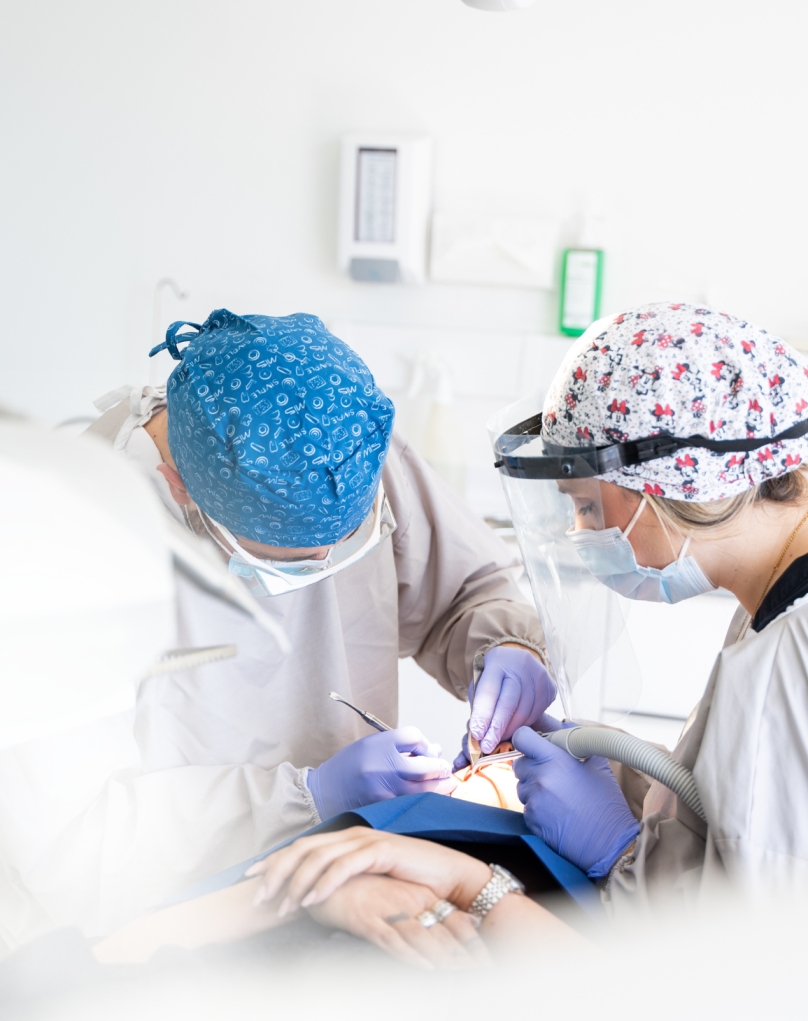
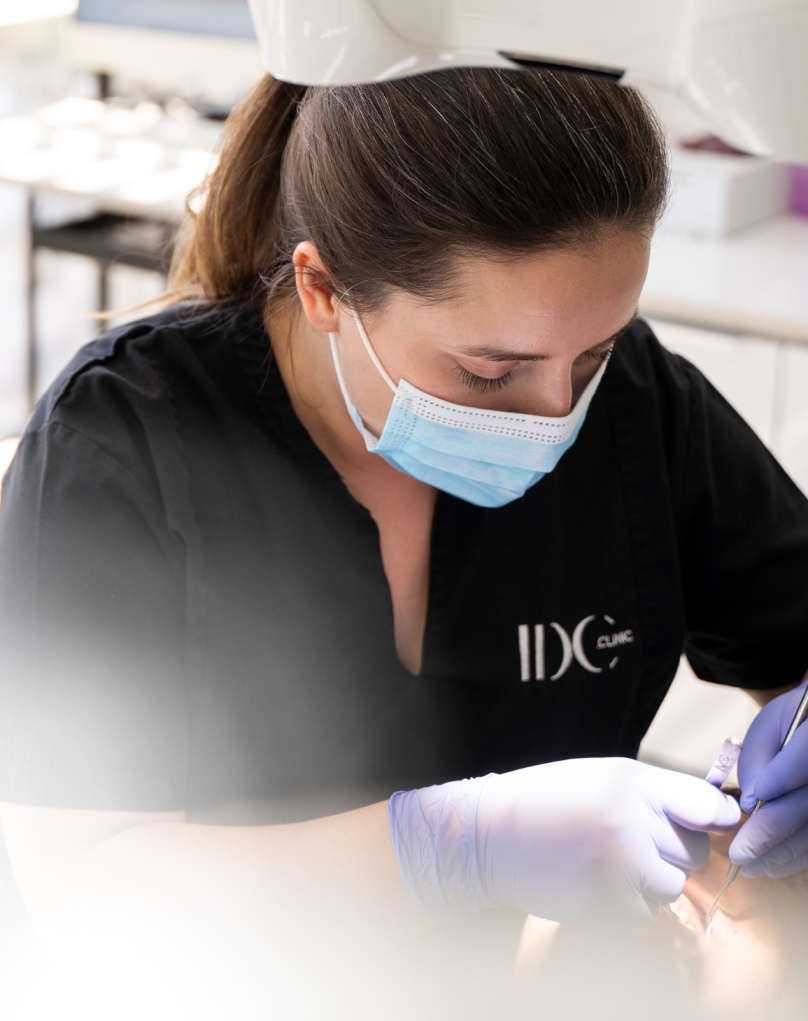
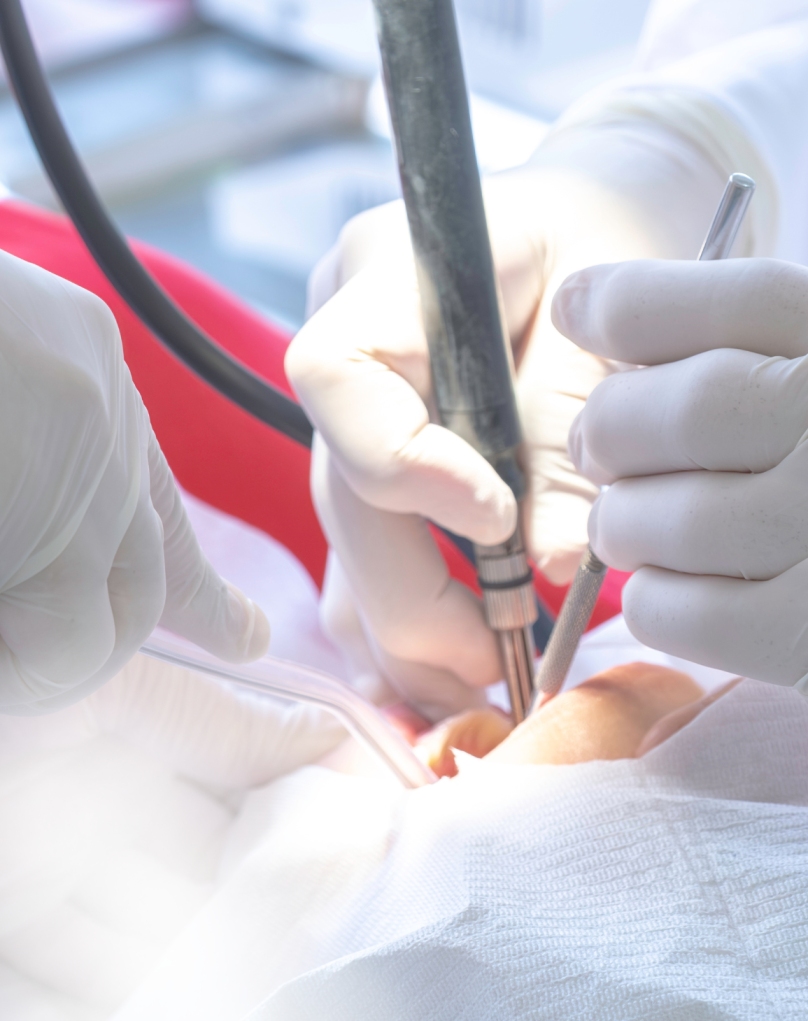
Oral Surgery is a branch of dental medicine focused on the diagnosis and surgical treatment of various pathologies of the oral cavity. These procedures address issues such as dental infections, cysts, impacted teeth, and bone changes that affect both the functionality and aesthetics of your smile.
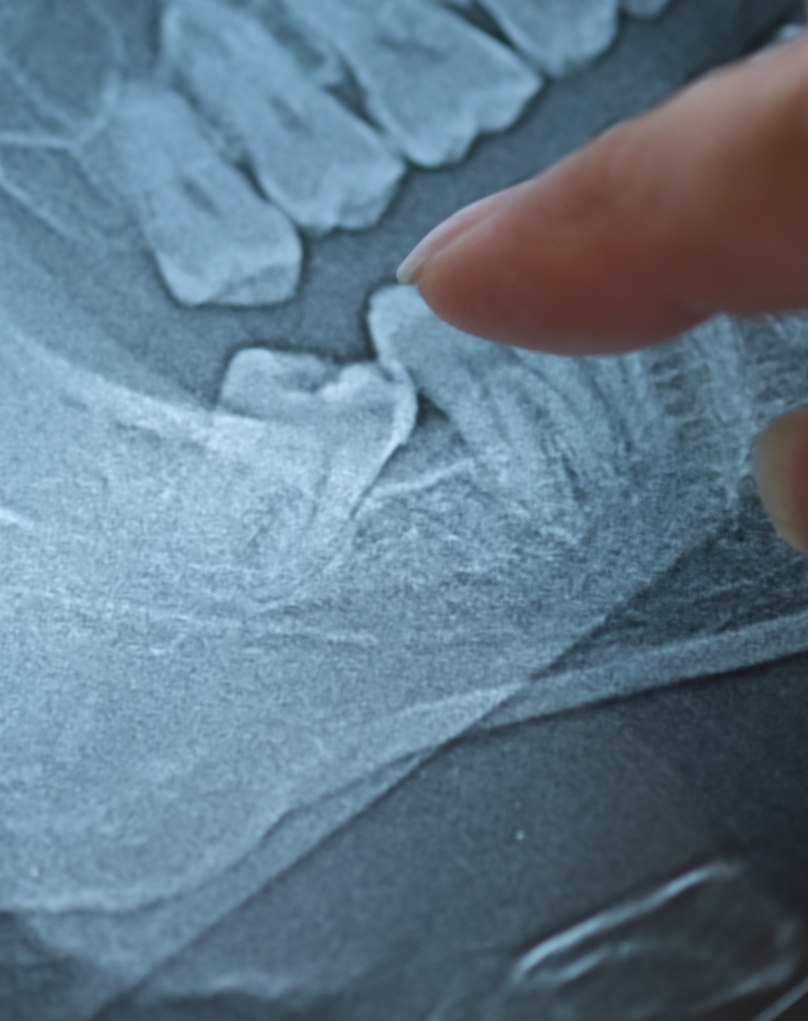
With the support of clinical and imaging tests, oral surgery effectively resolves structural, inflammatory, or infectious problems, contributing to long-term oral health.
In addition to the functional aspect, many procedures offer aesthetic benefits, improving facial harmony, speech, and overall quality of life for the patient.
Tooth Extraction (simple or complex)
Tooth extraction is recommended when a tooth is severely damaged, fractured, or affected by deep decay.
Both procedures are safe and performed under local anesthesia.
When part of a tooth root remains in the bone after a fracture or incomplete extraction, removal is necessary. Extracting root remnants prevents oral infections and facilitates the subsequent placement of dental implants, ensuring a safe and effective rehabilitation process.
Wisdom teeth (third molars) can cause pain, gum infections, or misalignment of other teeth. If they are impacted or there is not enough space for eruption, surgical removal is recommended. This is one of the most common procedures in oral surgery.
An impacted tooth is one that cannot naturally break through the gum due to its position or lack of space. It may cause cysts, pain, or affect adjacent teeth. Surgical extraction prevents complications and preserves oral health.
Changes in bone or gum tissue can hinder essential functions such as chewing, speaking, or the placement of prosthetics. Procedures like bone grafts and gum surgeries restore functional balance and improve oral aesthetics.
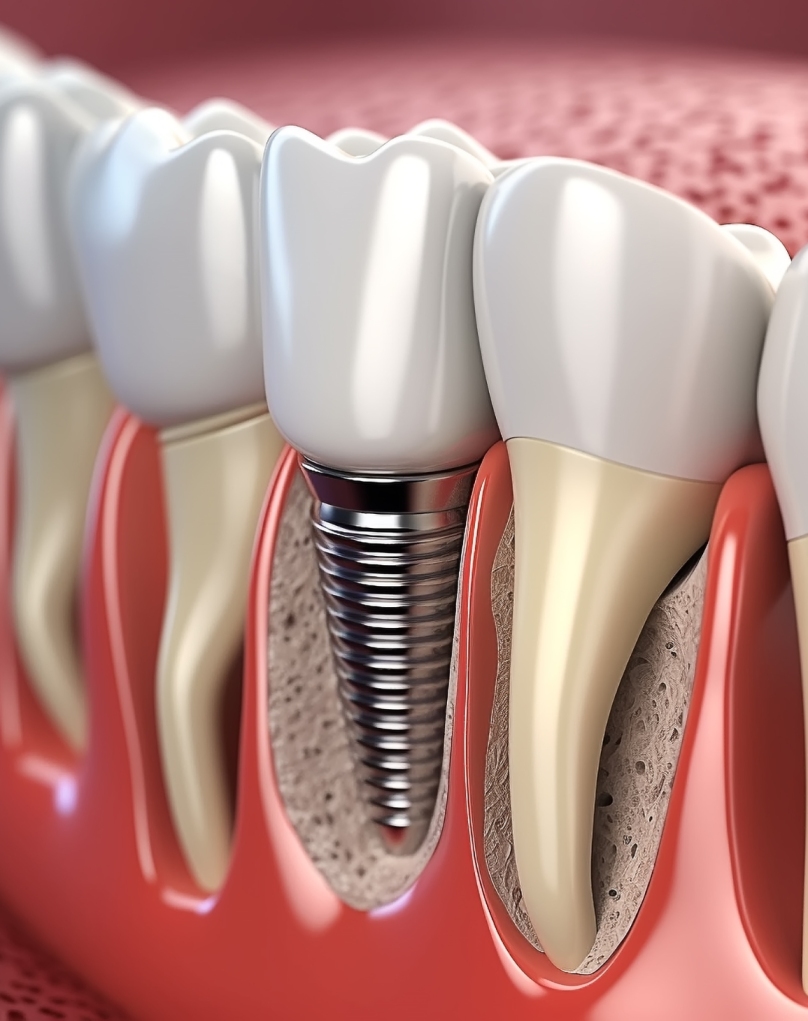
Dental implants are the most effective solution for replacing lost teeth. They consist of small titanium structures placed into the bone, acting as artificial roots to support crowns or fixed prostheses. They provide stability, comfort, and a natural appearance, restoring chewing function and confidence in the smile.
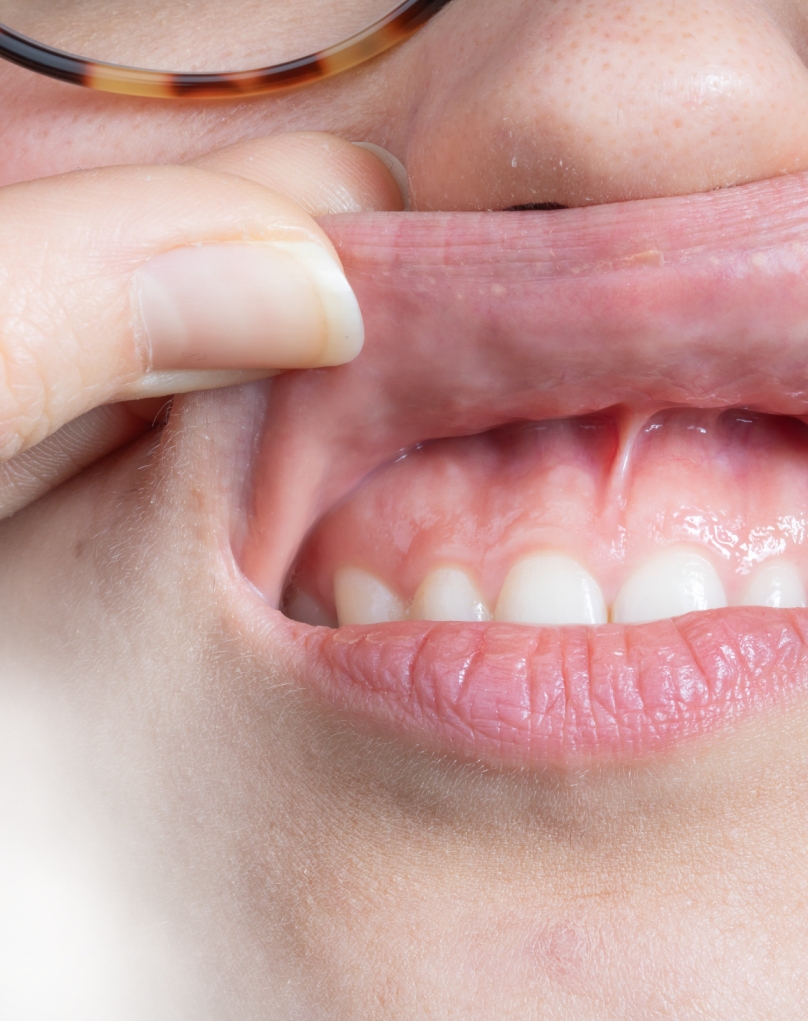
The labial frenum can limit movement and cause issues like gaps between teeth, speech difficulties, or discomfort while eating. Frenectomy is a simple procedure that removes or repositions the tissue, preventing orthodontic and periodontal complications.
The presence of cysts or benign tumors in the oral cavity should be evaluated and, when necessary, surgically removed. Oral surgery allows for the safe extraction of these formations, with histological analysis (biopsy) sent for examination when indicated.
Apicoectomy is indicated when there are persistent infections in the root of a tooth that has already undergone a root canal treatment. It involves the removal of the root tip and the infected tissue around it, preserving the natural tooth. This is an effective alternative to extraction and helps maintain oral health.
Periodontal surgery treats gum and bone changes caused by infections such as periodontitis, preserving the stability of teeth. When periodontitis reaches an advanced stage and conventional treatments are no longer effective, surgery helps remove deep tartar, reduce periodontal pockets, and regenerate affected tissues. This procedure helps keep natural teeth, prevents mobility or loss, and significantly improves oral health.
Clinical Assessment
The first step involves a consultation and diagnostic exams, which help accurately identify the source of the problem and understand the individual needs of each patient.
Planning and Preparation
Based on the diagnosis, a personalized surgical plan is defined.
At this stage, preoperative instructions are provided, and preparatory medication is prescribed when necessary.
Surgical Intervention
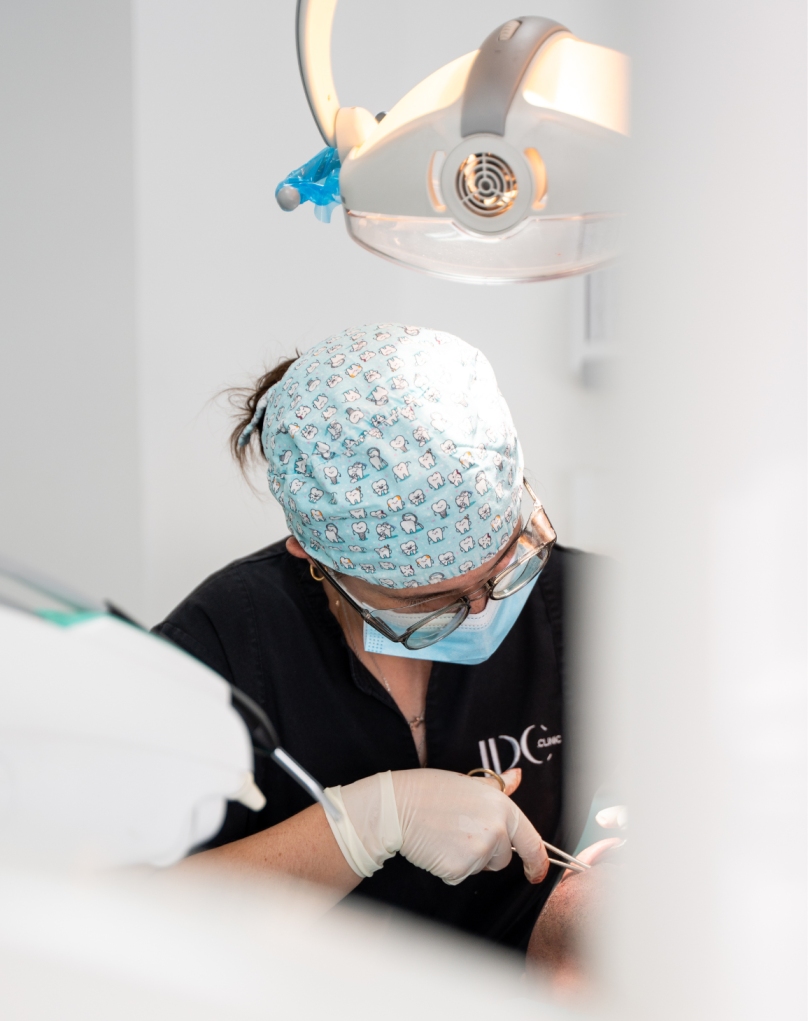
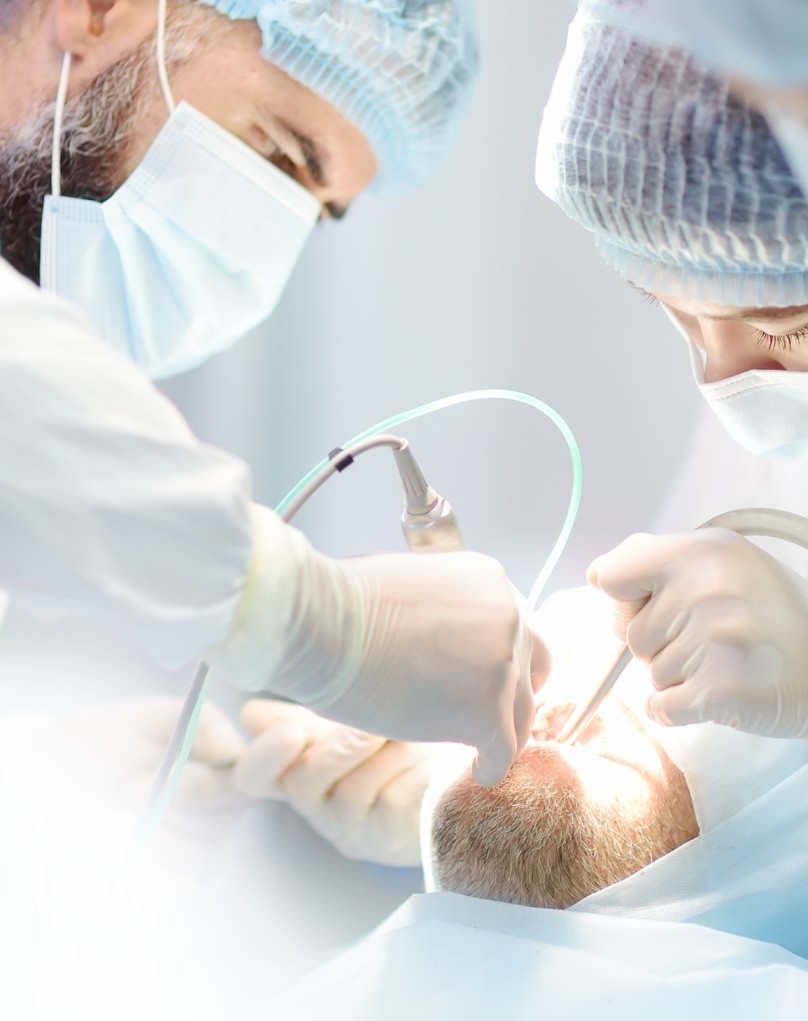
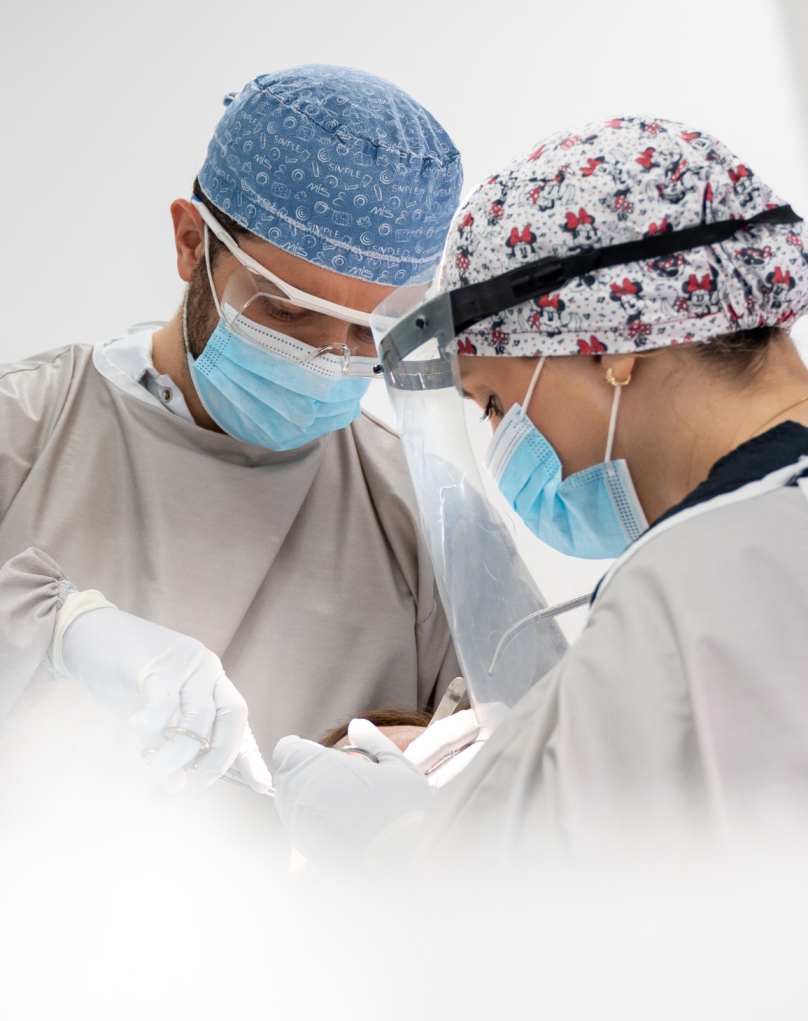
Oral surgery is performed under local anesthesia, using safe and minimally invasive techniques that ensure greater comfort during the procedure and a quicker recovery.
In some cases, local anesthesia may be supplemented with conscious inhalation sedation, increasing patient comfort and reducing anxiety.
Recovery and Post-Operative Care
The recovery period is essential to ensure proper healing and prevent potential complications.
The patient will receive detailed instructions tailored to the type of surgery performed, covering oral hygiene, diet, rest, and medication.
Follow-up care is crucial to ensure treatment success, preserve oral health, and ensure a comfortable and complication-free recovery.
At IDC.Clinic, our patient managers support each patient from the initial contact to the completion of treatment, ensuring close care and attention throughout the process.
Following the post-operative instructions provided by the clinical team is essential for ensuring a smooth recovery, effective healing, and preventing complications such as infections, bleeding, or unwanted inflammation.
It’s normal to experience some swelling or discomfort in the first 48 hours after surgery. Applying ice to the outer area of the face at regular intervals helps control inflammation and relieve pain.
Maintain good oral hygiene, but avoid brushing the treated area directly for the first 24 hours.
After this period, gently brush using a soft-bristled toothbrush.
Prefer cold and liquid foods in the first 24 to 48 hours. Avoid hot, hard, crunchy, or acidic foods as they may irritate the surgical site and hinder healing.
Take the prescribed medication (painkillers, anti-inflammatory drugs, or antibiotics) as directed by the clinical team. Never stop the medication on your own, even if the symptoms improve.
Rest during the first few hours after the procedure and avoid physical exertion on the first day.
Sleeping with your head slightly elevated can help minimize swelling.
Smoking and alcohol consumption should be avoided, especially within the first 24 to 48 hours.
Avoid direct sun exposure until the removal of stitches or as advised by the clinical team.
Yes, it’s common to experience mild discomfort or pain in the first 24 to 72 hours after the procedure. Pain is usually controlled with the pain medication prescribed by the clinical team. If the pain becomes intense, persistent, or increases over time, please contact us.
Healing time varies depending on the type of surgery and the patient’s oral health. On average, initial healing takes between 7 to 10 days, but complete tissue regeneration can take several weeks. Following post-operative care instructions is crucial for a fast and effective recovery.
For most procedures, it’s recommended to avoid strenuous physical activities on the day of the surgery and for the first 48 to 72 hours. Light work can usually be resumed the following day, as long as it doesn’t interfere with rest and care instructions. For more complex surgeries, recovery time may be extended.
In the first 24 to 48 hours, choose cold or room temperature foods with a soft texture: purees, yogurts, cold soups, jellies, and smoothies. Avoid hot, hard, crunchy, or acidic foods as they may irritate the treated area and affect healing.
Yes, in many cases, it’s possible to place dental implants right after a tooth extraction, provided that the bone and gum conditions are favorable. This approach speeds up oral rehabilitation and reduces the number of interventions required. The decision will be made based on a detailed clinical evaluation.