Clinical Assessment
The first step involves a consultation and diagnostic exams, which help accurately identify the source of the problem and understand the individual needs of each patient.
Planning and Preparation
Based on the diagnosis, a personalized surgical plan is defined.
At this stage, preoperative instructions are provided, and preparatory medication is prescribed when necessary.
Surgical Intervention
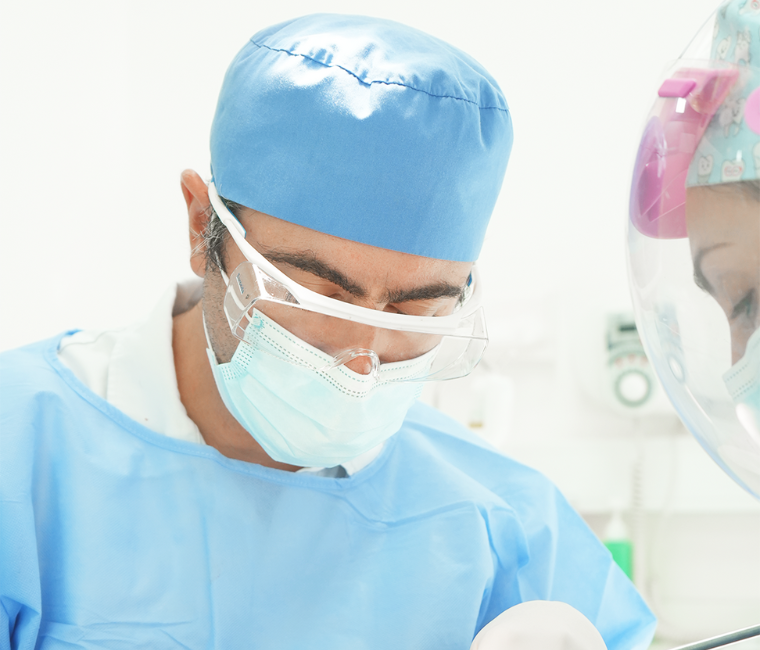
Oral surgery is performed under local anesthesia, using safe and minimally invasive techniques that ensure greater comfort during the procedure and a quicker recovery.
In some cases, local anesthesia may be supplemented with conscious inhalation sedation, increasing patient comfort and reducing anxiety.
Recovery and Post-Operative Care
The recovery period is essential to ensure proper healing and prevent potential complications.
The patient will receive detailed instructions tailored to the type of surgery performed, covering oral hygiene, diet, rest, and medication.
Follow-up care is crucial to ensure treatment success, preserve oral health, and ensure a comfortable and complication-free recovery.
At IDC.Clinic, our patient managers support each patient from the initial contact to the completion of treatment, ensuring close care and attention throughout the process.
Post-Surgical Care
Following the post-operative instructions provided by the clinical team is essential for ensuring a smooth recovery, effective healing, and preventing complications such as infections, bleeding, or unwanted inflammation.
It’s normal to experience some swelling or discomfort in the first 48 hours after surgery. Applying ice to the outer area of the face at regular intervals helps control inflammation and relieve pain.
Maintain good oral hygiene, but avoid brushing the treated area directly for the first 24 hours.
After this period, gently brush using a soft-bristled toothbrush.
Prefer cold and liquid foods in the first 24 to 48 hours. Avoid hot, hard, crunchy, or acidic foods as they may irritate the surgical site and hinder healing.
Take the prescribed medication (painkillers, anti-inflammatory drugs, or antibiotics) as directed by the clinical team. Never stop the medication on your own, even if the symptoms improve.
Rest during the first few hours after the procedure and avoid physical exertion on the first day.
Sleeping with your head slightly elevated can help minimize swelling.
- Avoid Tobacco and Alcohol
Smoking and alcohol consumption should be avoided, especially within the first 24 to 48 hours.
Avoid direct sun exposure until the removal of stitches or as advised by the clinical team.